Top 5 Non-Toxic Kitchen Essentials I Use & Recommend
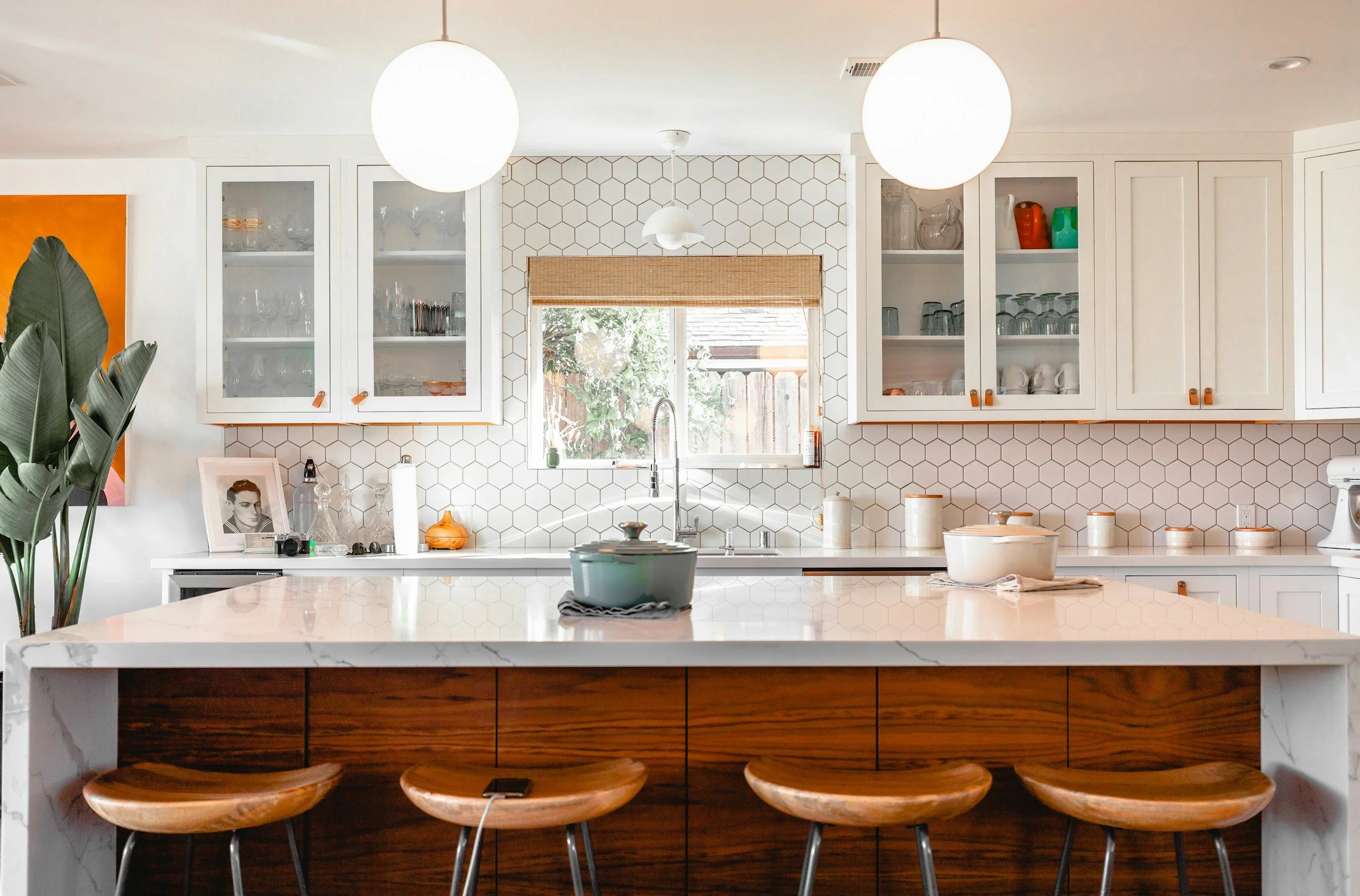
Creating a healthier home doesn’t have to mean replacing everything at once. As a women’s health coach, I focus on small, realistic changes that reduce everyday toxin exposure, especially in the kitchen, where so many daily habits live.
Over time, I’ve slowly swapped out a few key items for safer, more supportive alternatives. These are five non-toxic kitchen essentials I personally use and feel confident recommending to clients who want practical upgrades without feeling overwhelmed.
This post contains affiliate links. As an Amazon Associate, I earn from qualifying purchases at no additional cost to you.
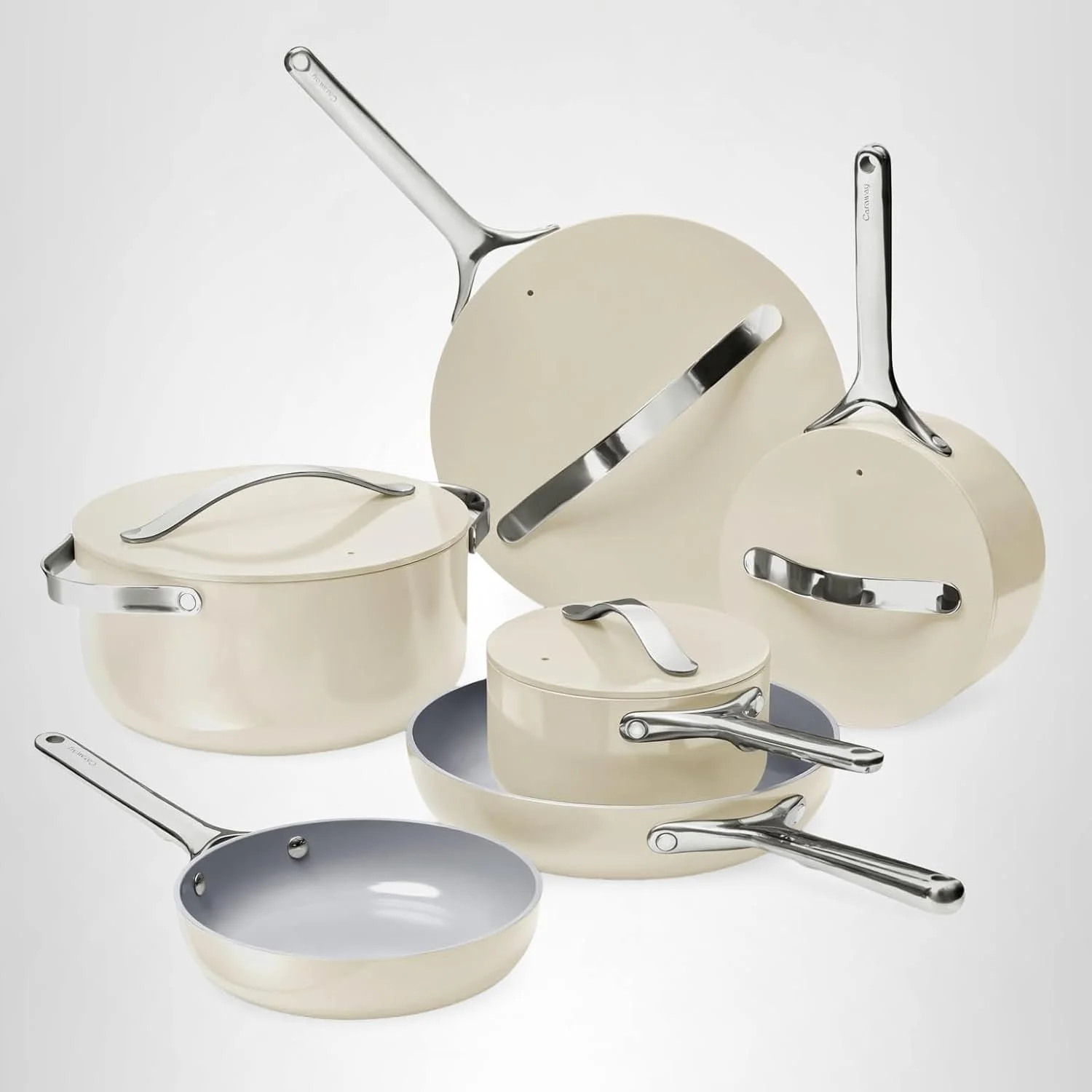
1. Ceramic Cookware
Why it’s on my list:
Ceramic is one of the most reliable non-toxic cookware options because it’s durable, stable at high heat, and free from nonstick coatings that can break down over time.
Why I like it:
I reach for ceramic cookware for everyday cooking because it’s versatile and easy to clean once you get the hang of it.
Good for:
Anyone looking to move away from traditional nonstick cookware without needing specialty pieces.
2. Glass Food Storage Containers
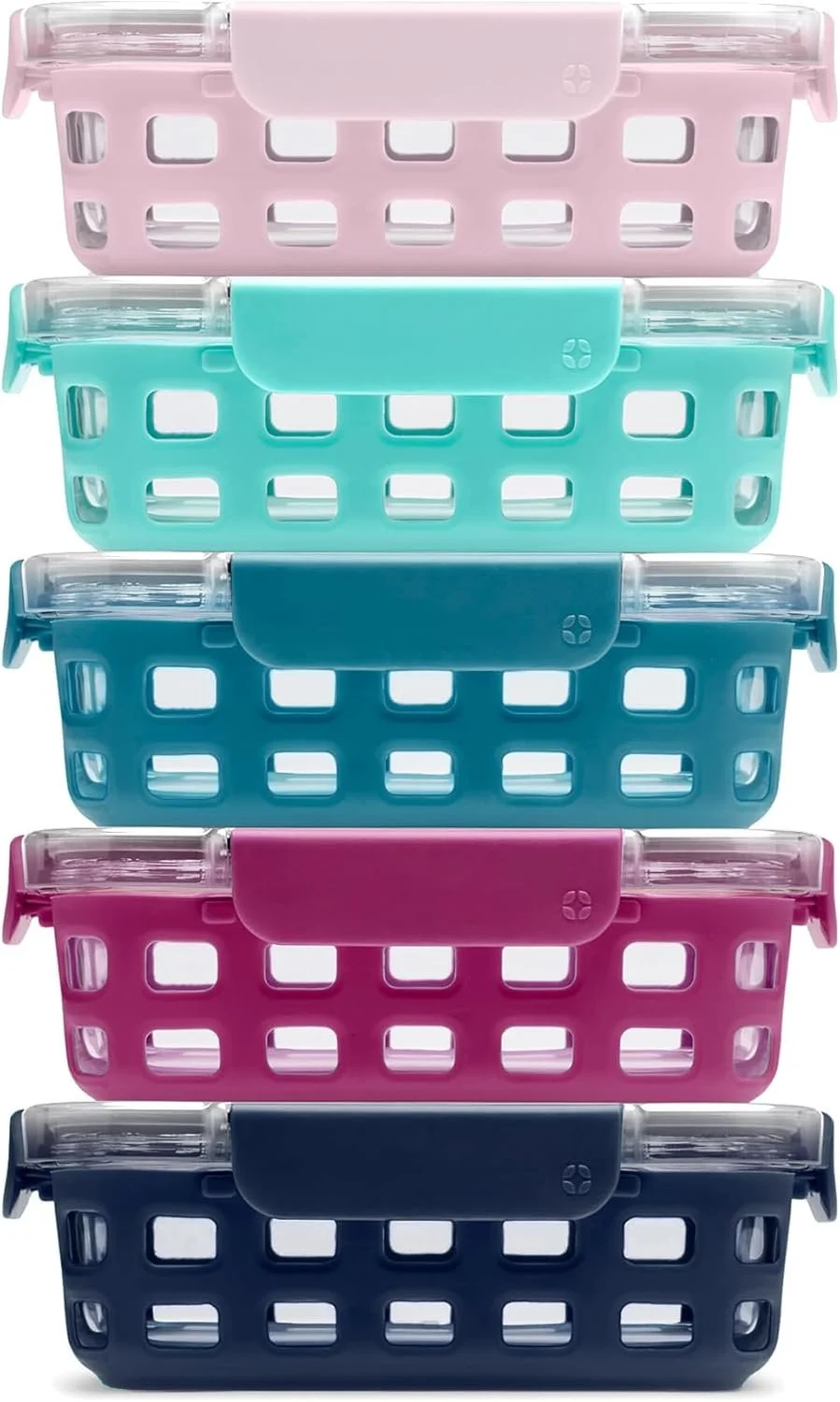
Swapping plastic food containers for glass is one of the easiest non-toxic changes you can make in the kitchen. Plastic can leach chemicals over time—especially when exposed to heat—whereas glass is stable, clean, and long-lasting.
I love glass containers because they don’t hold onto smells, they’re easy to clean, and you can actually see what’s inside (which helps reduce food waste, too).
Good for:
Leftovers, meal prep, and reducing daily plastic use.
3. Wooden or Cutting Boards and Cooking Utensils
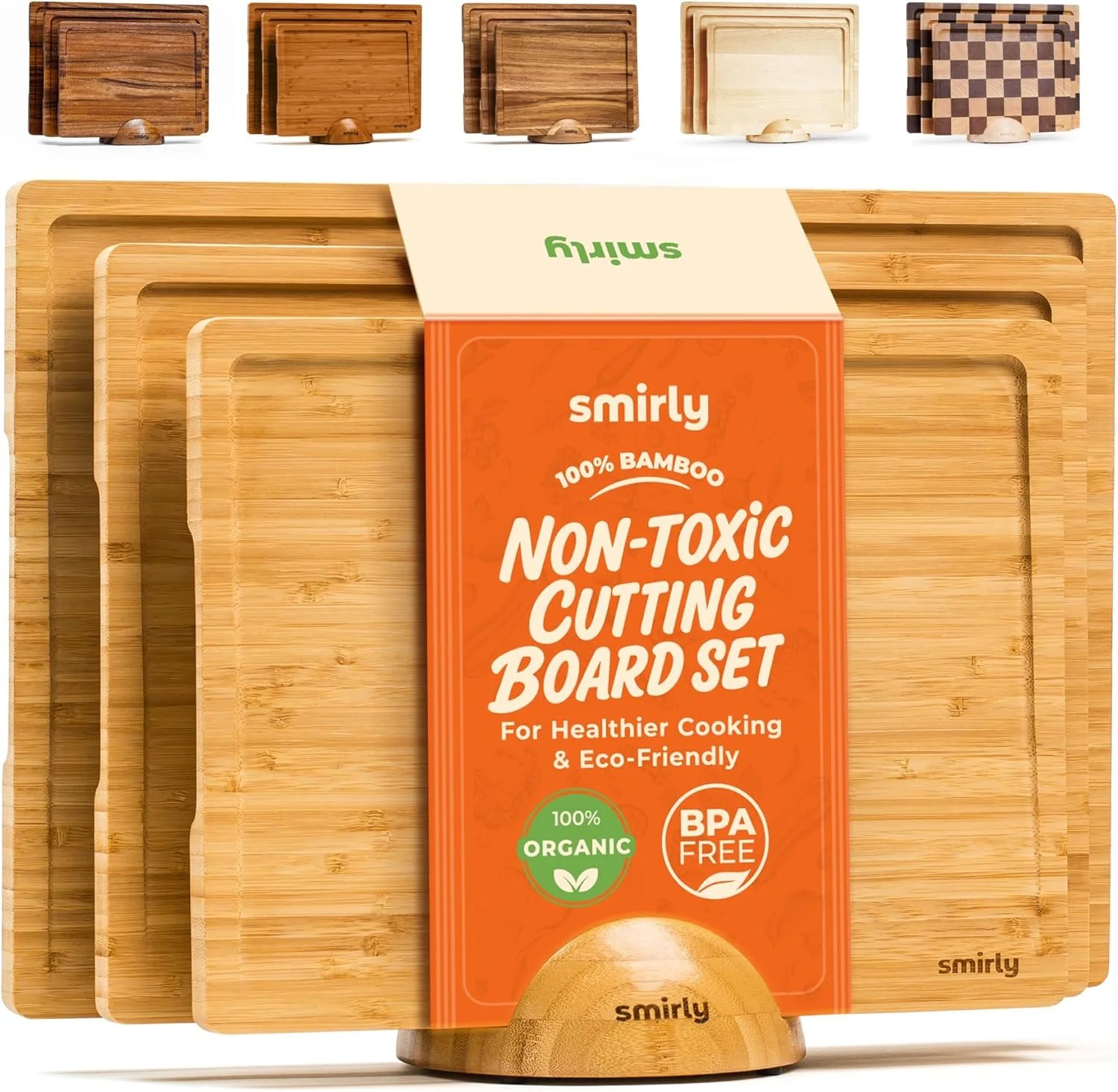
Many everyday kitchen tools are made from plastic, which can wear down and release microplastics when exposed to heat. Wooden or bamboo utensils and cutting boards are a simple, affordable alternative.
I like using these because they’re lightweight, gentle on cookware, and easy to replace over time. This is one of those swaps that feels small but adds up when used daily.
Good for:
Stirring, sautéing, and general cooking.
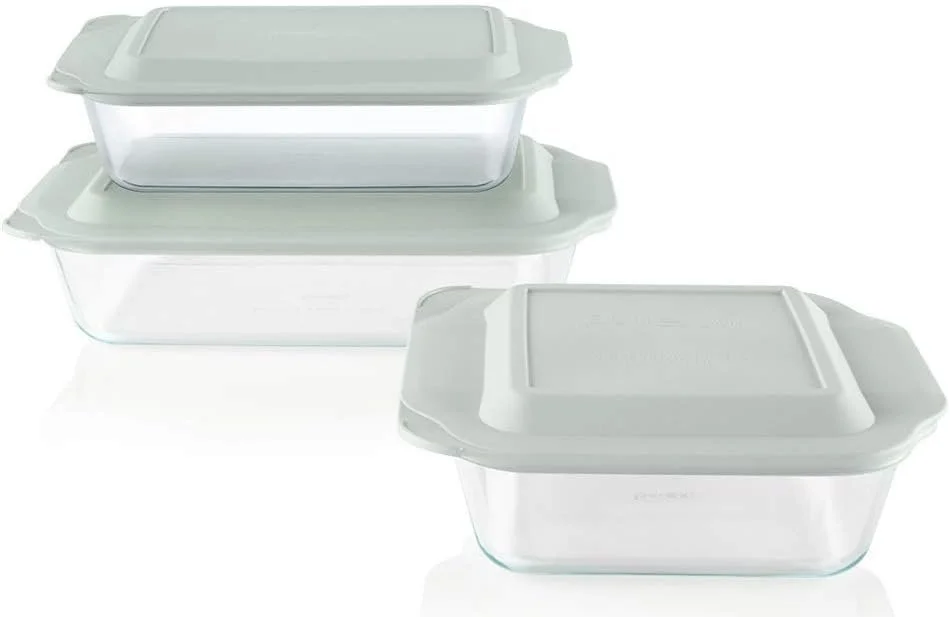
4. Glass Mixing Bowls or Glass Bakeware
Glass is a non-reactive, non-toxic material that works well for both mixing and baking. It’s a reliable option for food prep and cooking without added coatings or concerns.
I like glass bowls and bakeware because they’re versatile, easy to clean, and can go from prep to oven to storage without needing extra containers.
Good for:
Mixing, baking, and meal prep.
5. Caraway Baking Sheets
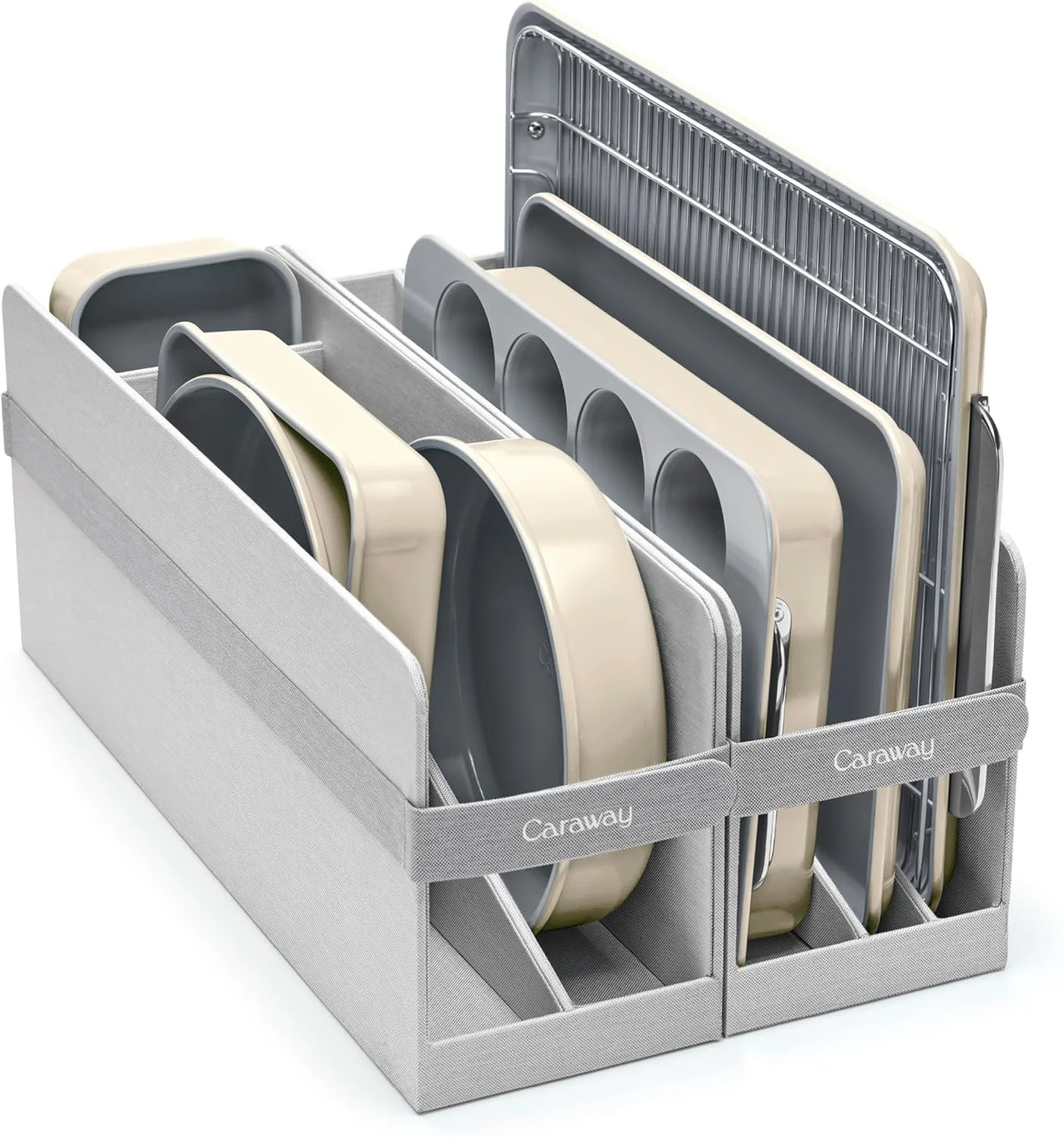
For everyday baking and roasting, I use Caraway baking sheets. These are designed with a non-toxic ceramic coating and are free from PFAS, PTFE, and other chemicals commonly found in traditional nonstick bakeware.
I like these baking sheets because they’re sturdy, easy to clean, and work well for simple meals like roasted vegetables or sheet-pan dinners. They feel like a thoughtful upgrade from conventional nonstick pans without being complicated to use.
Good for:
Roasting vegetables, baking, and everyday sheet-pan meals.
A Final Note
Non-toxic living doesn’t have to be all-or-nothing. Small, intentional changes—especially in the kitchen—can add up over time. These are a few foundational swaps I’ve found helpful, and I hope this list gives you a simple, approachable starting point for creating a healthier home.