If you are just finding me, welcome! I am a certified health coach who is currently in the middle of my own personal health reset, and I am documenting it right here every week. You can catch up by starting with my Life Lately post where I share what my Function Health labs revealed and why I decided to make my health my number one priority for the rest of the year. Then head over to Week One where I talk about what happened when I went a little too hard right out of the gate and why hydration became my very first focus.
Speaking of hydration, I want to give a quick update before we get into this week. It’s going well, not perfectly, but well. I’m aiming for at least one full 40oz Stanley cup a day and I am getting it in most days. I’ll be honest though, I still find myself forgetting, especially when I get busy or distracted around the house. It’s a work in progress, and that is okay. That is kind of the whole point of doing this the way I’m doing it, slow, sustainable, and real.
Okay, now onto week two...
First off, I have been doing pretty good with the hydration, and my hope is to keep going with each new thing I’m introducing throughout this process as I continue to add on more. I of course don’t want to overwhelm myself by having a hundred different things to do each day, that alone is its own stressor, and as you know by now I’m trying to reduce my stress.
So what have I been up to this week? Supplements. This is a big topic in and of itself, so to start, I’m going to keep it purely what I’m doing and go into other types of supplements in a later blog. Please remember my situation is going to be completely different from yours, so please don’t take something strictly because you see a health coach taking it. As I mentioned in my first post, I went through Function Health and I had a lot of markers that were either out of range entirely (either higher or lower) or they were in range but close to the “out of range” line. So, because I know my actual data, that is how I made the decision to add in these particular supplements.
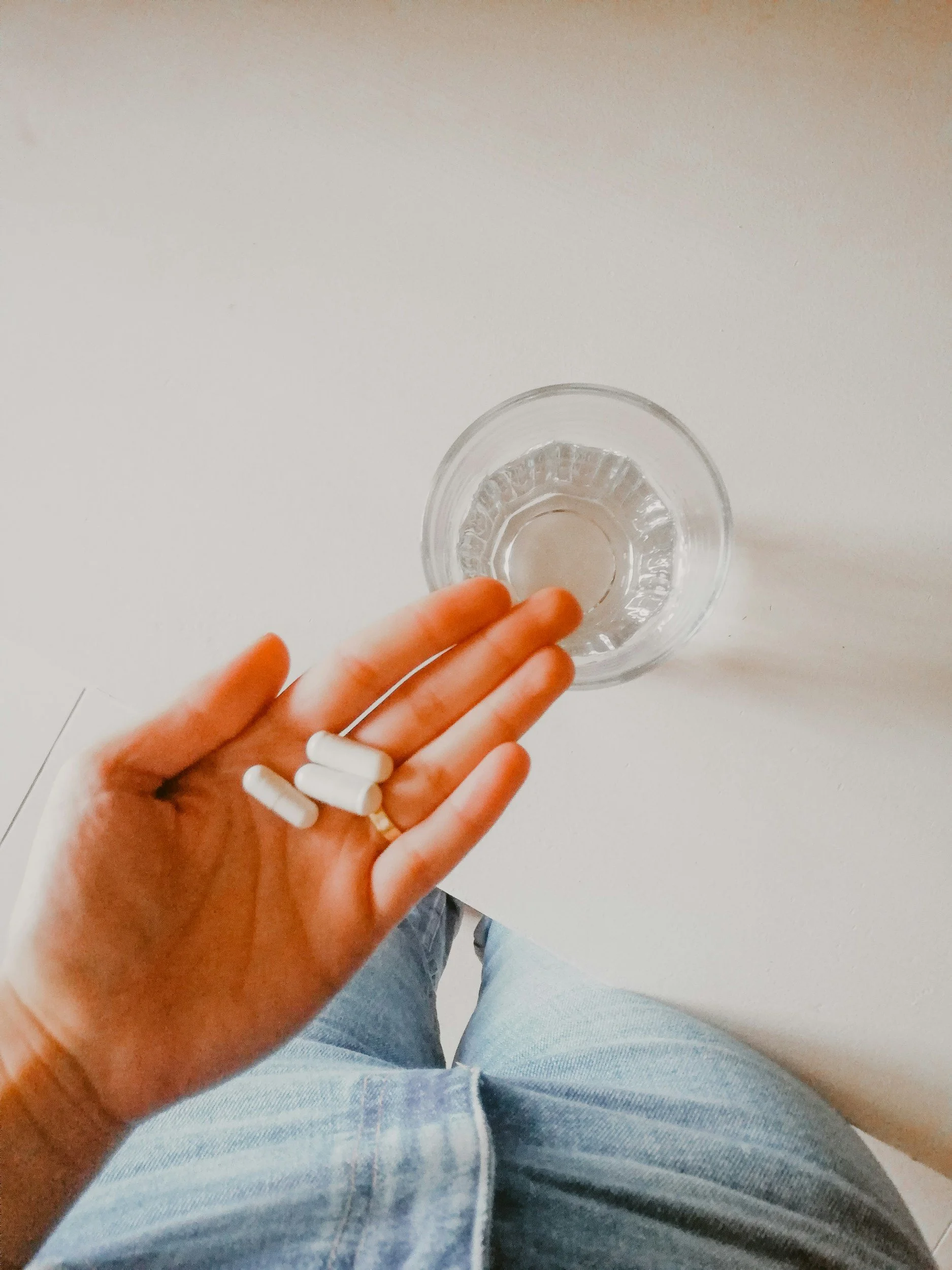
The supplements I’m taking to help lower my inflammation:
Why Omega-3 Is My First Priority
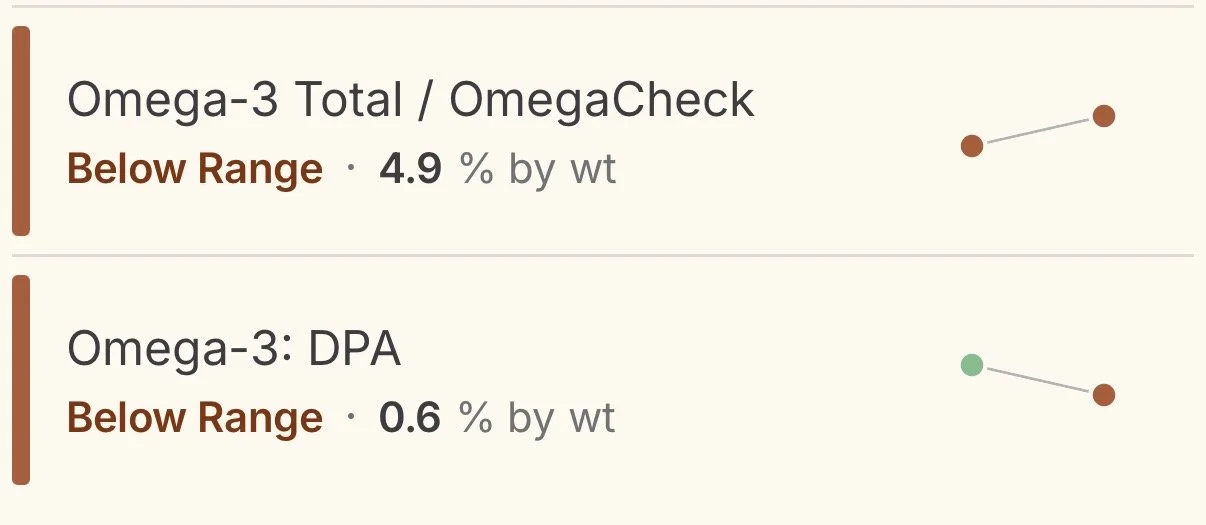
This one is important, especially if you are not getting enough in your daily food intake, which currently I am not. My labs showed that my Omega-3 total and my DPA were both below range. I’ve added a good fish oil supplement with both EPA and DHA to help bring that up, and I’m also adding in salmon once to twice a week. Omega-3 fatty acids are one of the most well-researched supplements for reducing inflammation in the body. EPA and DHA specifically have been shown to help lower inflammatory markers, including the kind of systemic inflammation I’m dealing with right now. If your diet is low in fatty fish, a good quality fish oil is one of the simplest things you can add in.
Magnesium: The Supplement Most Women Are Low In
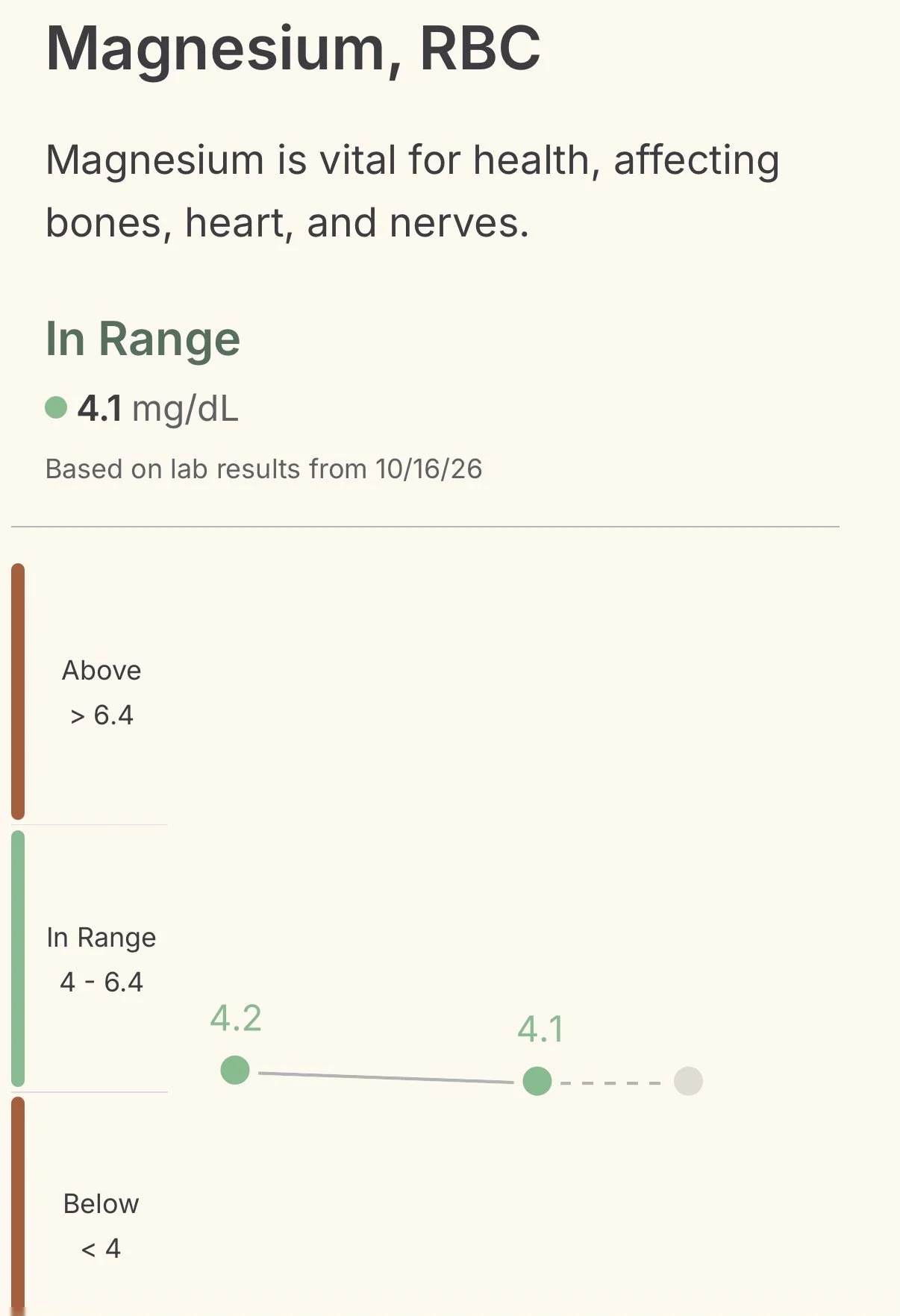
I’m technically in range with this but it’s on the low end, almost on the line, so I’m adding it in. What a lot of people don’t realize is that magnesium plays a role in over 300 biochemical reactions in the body, and one of those is regulating the body’s inflammatory response. Low magnesium has been linked to higher levels of inflammatory markers, so even being on the low end of range is worth paying attention to. I’m taking magnesium glycinate specifically because it’s the gentlest form on the stomach and is well absorbed.
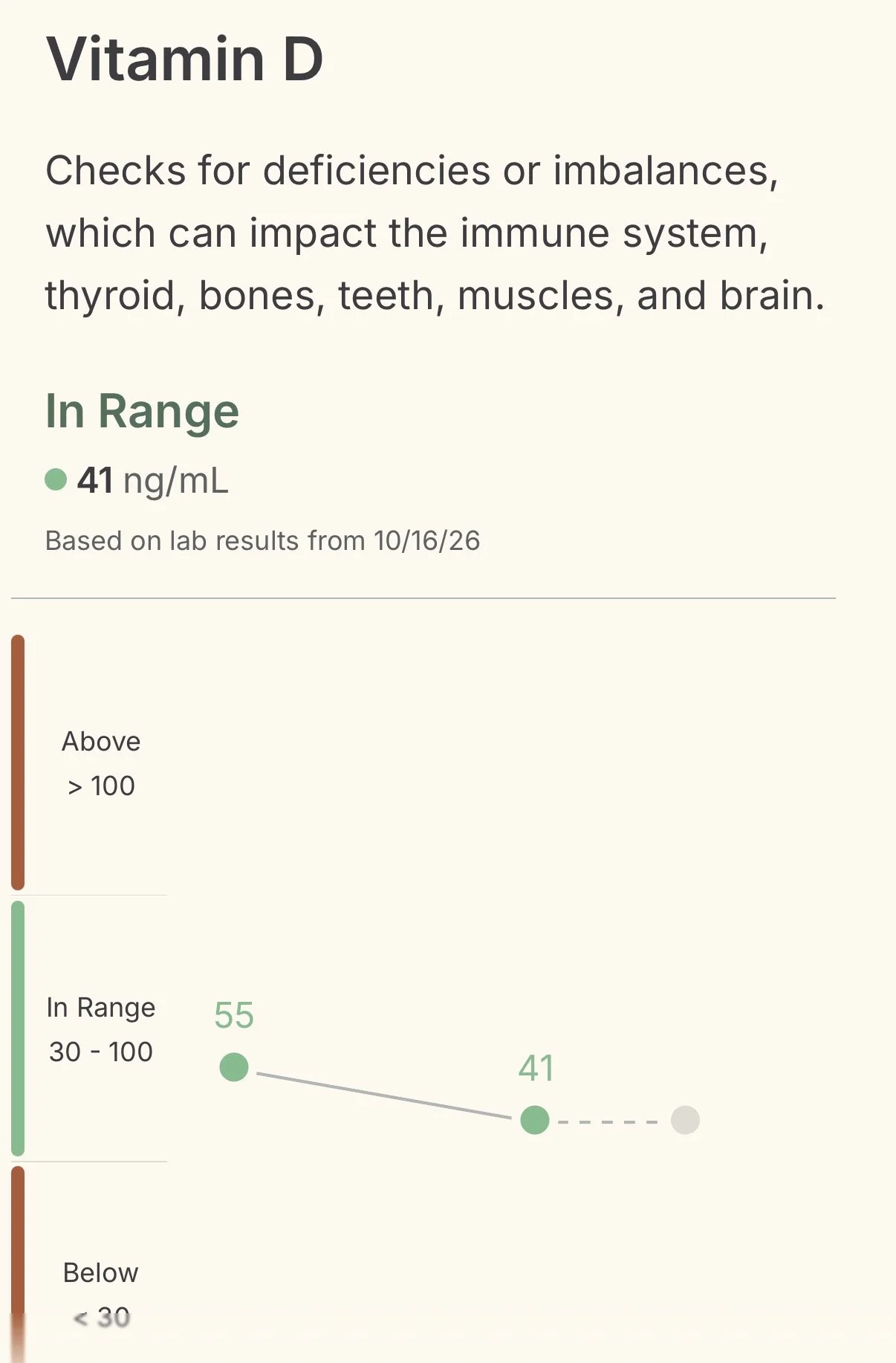
Vitamin D and Inflammation: Why Northern Michigan Makes This One Non-Negotiable
This one is also in range but it’s on the low end, and living in northern Michigan I don’t get as much sun exposure as I would like, so it’s important to take this one as a supplement. Vitamin D is actually more of a hormone than a vitamin, and it plays a significant role in immune function and inflammation regulation. Studies have found that people with low vitamin D levels tend to have higher levels of inflammatory markers, which makes sense given what my labs are showing. I’m pairing mine with K2 to help with absorption and to make sure the vitamin D is going where it needs to go.
These supplements are very common and are generally safe to start, but it is always a good idea to get your numbers before introducing anything new into your daily routine. What works for me may not be what your body needs, and knowing your baseline is everything.
I’m going to keep building on this week by week, and next week I’ll be talking about what I’m actually eating to support this process. Small steps, one thing at a time, that’s the only way this works long term.
If any of this sounds familiar, you are not alone. So many women in their 40s and 50s are dealing with the same thing, feeling off, getting confusing lab results, and not knowing where to start. If you are ready to stop guessing and start getting some real answers, I would love to connect. Book a free discovery call and let’s talk about what’s going on with your body and what we can do about it.